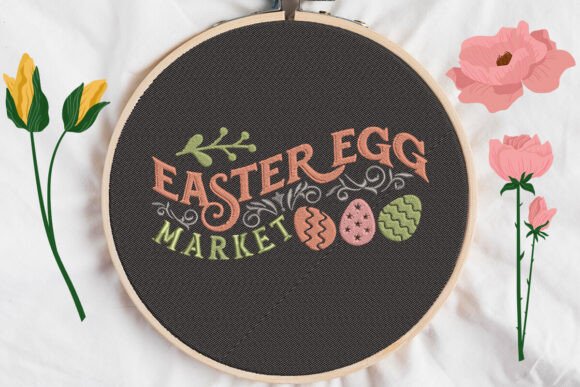
Easter Egg Market Embroidery: Creative Uses & Tips
The Easter Egg Market embroidery design captures the vibrant, bustling energy of springtime traditions in a digital format that translates beautifully to fabric. For makers and small business owners, this specific motif offers more than just seasonal decoration; it serves as a versatile graphic element that bridges nostalgia with modern craftsmanship. Whether you are preparing inventory for a spring craft fair or personalizing gifts for family members, understanding the practical applications of this design can elevate your machine embroidery projects from simple crafts to professional-grade creations.
Understanding the Design’s Versatility and Appeal
At its core, the Easter Egg Market design is a celebration of color and pattern. Unlike generic holiday clipart, this embroidery file is digitized specifically for needle and thread, meaning stitch density, underlay, and pull compensation have been considered to prevent puckering on various textiles. The appeal lies in its adaptability. It evokes the charm of European market stalls filled with hand-painted eggs, yet it remains abstract enough to fit contemporary aesthetics. This balance makes it an excellent choice for creators who want to avoid overly juvenile or cartoonish Easter themes.
For beginners, this design acts as a fantastic learning tool. Because it typically involves multiple colors and varying stitch types, it provides practice in thread changes and hooping techniques without being overwhelmingly complex. For professionals and entrepreneurs, it represents a high-value asset that can be resized and repurposed across different product lines, maximizing the return on investment for your digitizing library.
Expanding Your Product Line Beyond Apparel
While t-shirts and sweatshirts are the most obvious canvases for machine embroidery, limiting yourself to clothing restricts your creative and commercial potential. The Easter Egg Market design shines when applied to lifestyle accessories and home goods. Consider how the intricate details of the egg patterns would look on functional items that people use daily.
- Pocket Mirrors and Compacts: These small, rigid surfaces require precise hooping but yield stunning results. A detailed market scene or egg cluster turns a utilitarian object into a vintage-style keepsake perfect for spring gift sets.
- Hair Brushes and Beauty Cases: Personal care items offer unique branding opportunities for salon owners or beauty bloggers. Embroidering this design onto canvas beauty cases or fabric-wrapped brush handles adds a tactile, artisanal quality that printed labels cannot match.
- Keychains and Bag Charms: Small-format embroidery allows you to utilize scrap fabric and stabilizer. Creating a series of Easter Egg Market keychains can serve as low-cost add-ons at checkout or as complimentary gifts for loyal customers.
- Blankets and Throws: For larger hoop sizes, scaling up the design creates a focal point on baby blankets or lap quilts. The texture of the embroidery adds warmth and visual interest, making these items heirloom-quality rather than mass-produced.
Technical Compatibility and File Formats
One of the primary concerns for any embroiderer is whether a design will work with their specific equipment. The Easter Egg Market embroidery design addresses this by including multiple industry-standard file formats. This universal compatibility ensures that whether you own a Brother, Janome, Bernina, Singer, or Husqvarna Viking machine, you can load the design directly without needing third-party conversion software.
Having access to native formats like .PES, .JEF, .EXP, .DST, and .VP3 preserves the integrity of the original digitization. Converting files can sometimes alter stitch counts or jump stitch sequences, leading to production errors. By using the provided native files, you maintain the designer's intended pathing and tension settings. This is particularly important for commercial users running multi-needle machines where efficiency and consistency are paramount. Always verify which format your machine reads natively before starting a project to ensure the smoothest stitching experience.
Practical Considerations for Successful Stitching
Achieving professional results with the Easter Egg Market design requires attention to material selection and stabilization. Not all fabrics behave the same way under the needle, and this design likely contains fill stitches that can distort lightweight materials if not properly supported.
- Stabilizer Selection: For stretchy knits like t-shirts, always use a cut-away stabilizer to prevent the design from warping after washing. For woven fabrics used in beauty cases or blankets, a tear-away or fusible poly-mesh may suffice. Test on a scrap piece first to see how the fabric reacts to the stitch density.
- Needle Choice: Match your needle to your substrate. A ballpoint needle is essential for knits to push fibers aside rather than piercing them, while a sharp needle works best for tightly woven canvas or denim. Using the wrong needle can cause skipped stitches or visible holes in delicate fabrics.
- Thread Tension: Intricate designs often reveal tension issues that simple lettering hides. Run a tension test before committing to a final product, especially if switching between rayon and polyester threads. Proper bobbin tension is just as critical as top thread tension for clean satin stitches and crisp outlines.
- Hooping Technique: Ensure the fabric is drum-tight in the hoop but not stretched out of shape. Floating the fabric with adhesive spray and sticky-back stabilizer can be beneficial for awkward items like hair brushes or pocket mirrors where traditional hooping is impossible.
Leveraging the Design for Business and Gifting
For small business owners and freelancers, timing is everything. The Easter Egg Market design allows you to capitalize on the spring season well beyond Easter Sunday. Because the aesthetic leans toward "spring market" rather than strictly religious iconography, it remains relevant throughout April and May. This extends the shelf life of your products and prevents dead stock immediately after the holiday passes.
Marketers and content creators can also use this design to enhance their digital presence. Photographing the embroidery process or showcasing finished goods styled with fresh flowers and pastel props generates engaging social media content. Bloggers can create tutorials around customizing the design, driving traffic through educational value. Educators and workshop leaders might use this motif to teach color theory or cultural history, connecting the craft to broader learning objectives.
Ultimately, the value of the Easter Egg Market embroidery design lies in its ability to transform ordinary objects into meaningful artifacts. Whether you are stitching a personalized blanket for a newborn, creating branded merchandise for a boutique, or simply enjoying a weekend hobby, this design provides a reliable foundation for creativity. By respecting the technical requirements and exploring unconventional applications, you ensure that every stitch contributes to a result that is both beautiful and enduring.