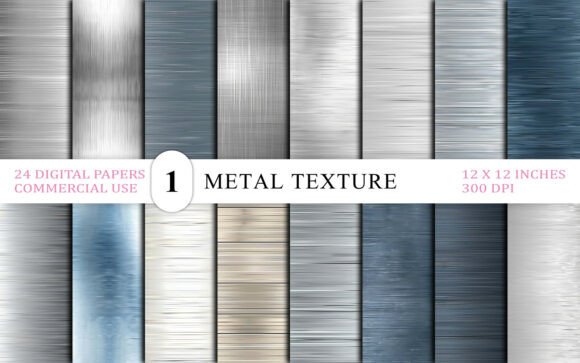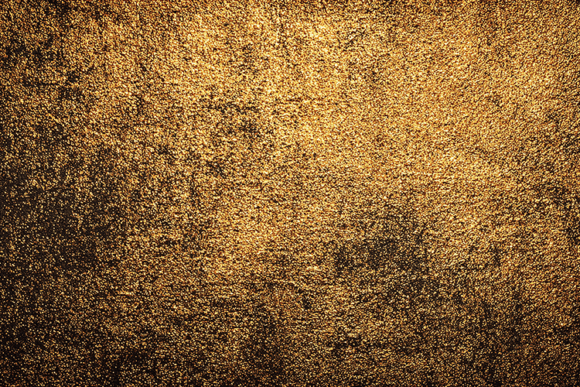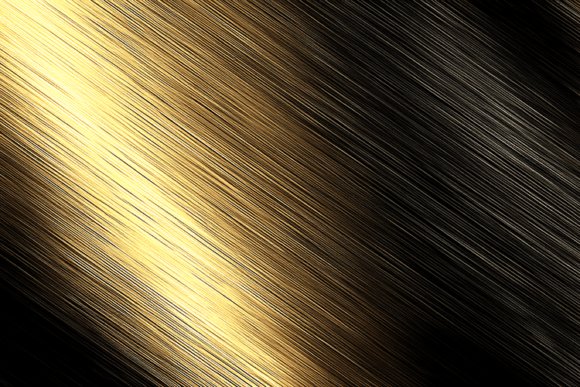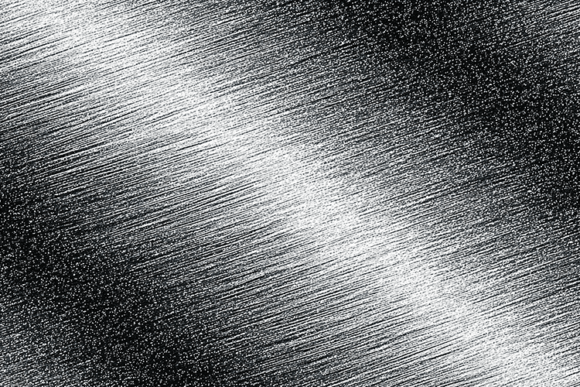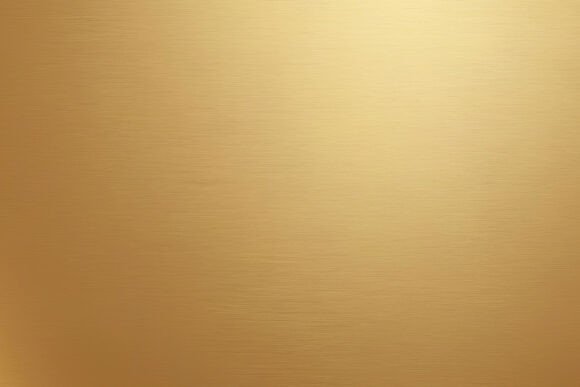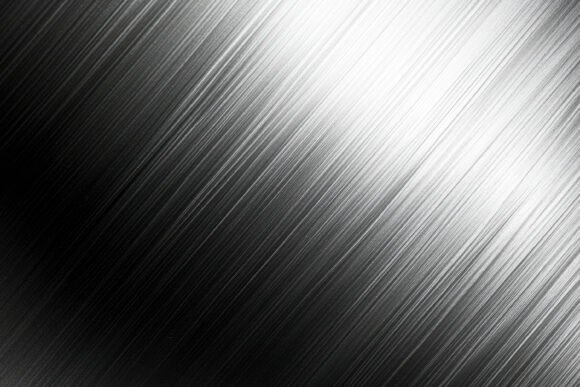
Elevating Visual Projects with Abstract Brushed Metal Texture Backgrounds
In the world of digital design and print media, the search for the perfect backdrop often leads creators down a rabbit hole of generic patterns and overused gradients. However, when a project demands a sense of industrial sophistication, durability, or modern minimalism, few assets perform as reliably as an Abstract Brushed Metal Texture Background. This specific visual element bridges the gap between raw material authenticity and clean, contemporary aesthetics. It provides a neutral yet visually engaging canvas that supports typography and foreground elements without competing for attention.
Understanding the technical and aesthetic value of these textures is crucial for designers, marketers, and content creators. When sourced correctly—specifically in high-resolution formats like 5824 x 3264 px JPG files—these backgrounds transform from simple images into versatile production assets capable of handling everything from large-format banner printing to high-density web displays.
The Technical Advantage of High-Resolution Assets
The primary differentiator between a standard stock photo and a professional-grade texture is resolution. An Abstract Brushed Metal Texture Background sized at 5824 x 3264 pixels offers significant flexibility that lower-resolution alternatives simply cannot match. In practical workflows, this pixel density serves as an insurance policy against quality loss during post-production.
When working with metal textures, detail is everything. The "brushed" effect consists of thousands of microscopic directional lines that create the illusion of sheen and depth. If the resolution is insufficient, these fine details degrade into muddy noise or pixelation when scaled up. A file of this magnitude ensures that even when cropped to focus on a specific quadrant for a social media post or stretched across a wide monitor, the integrity of the metallic grain remains intact.
Print Readiness and Color Fidelity
For professionals preparing files for physical output, the term "print ready" carries specific weight. Metal textures are notoriously difficult to reproduce accurately because they rely on subtle contrast shifts to simulate light reflection. A high-quality JPG file designated as print-ready has typically been processed to maintain tonal range in both highlights and shadows. This prevents the common issue where printed metal looks flat, gray, or artificially saturated.
- Large Format Capability: At standard print resolutions (300 DPI), a 5824 x 3264 px image can cover approximately 19.4 x 10.8 inches without interpolation. For billboards or trade show graphics viewed from a distance, it can scale significantly larger while maintaining crispness.
- Crop Flexibility: Designers can zoom in to 200% or 300% to isolate specific texture variations without losing clarity, effectively getting multiple unique backgrounds from a single source file.
- Retouching Headroom: High-resolution files contain more data per inch, allowing for aggressive color grading, sharpening, or blemish removal without introducing digital artifacts.
Aesthetic Versatility Across Industries
The utility of an Abstract Brushed Metal Texture Background extends far beyond its technical specifications. Its visual language speaks to several key industries and design movements, making it a staple in diverse creative portfolios.
Technology and Corporate Branding
Tech companies frequently utilize brushed metal aesthetics to convey precision, engineering excellence, and futurism. Unlike polished chrome, which can feel cold or sterile, brushed metal suggests a tactile, manufactured quality. It implies that a product or service has been crafted with care. In corporate annual reports, presentation decks, or SaaS landing pages, this texture adds a layer of premium professionalism that solid colors lack. It grounds digital interfaces in physical reality, creating a subconscious association with hardware reliability.
Architectural and Interior Design Portfolios
For architects and interior designers, showcasing materials is part of the job. Using an abstract metal background as a base layer allows portfolio pieces to stand out while reinforcing the theme of structural integrity. It works exceptionally well behind floor plans, renderings, or material swatches. The neutrality of the texture ensures that the focus remains on the architectural work, while the metallic undertone complements steel beams, aluminum fixtures, and modern appliances featured in the projects.
Automotive and Industrial Marketing
In sectors where machinery and manufacturing are central, metal textures are not just decorative; they are contextual. An automotive brochure featuring engine specs or safety ratings benefits from a background that mirrors the vehicle's construction. Similarly, industrial supply catalogs use these textures to organize information hierarchically. The directional flow of the brush strokes can even be used strategically to guide the viewer’s eye toward call-to-action buttons or key product features.
Integrating Metal Textures into Modern Workflows
Adopting high-quality textures requires understanding how they interact with other design elements. Simply dropping a 5824 x 3264 px JPG onto a canvas is rarely enough; successful integration involves thoughtful manipulation.
Managing Contrast and Legibility
Metal textures are inherently reflective, meaning they possess natural highlights and shadows. This dynamic range can sometimes interfere with text readability. Professional designers often employ blending modes or overlay techniques to tame the texture. Applying a semi-transparent dark or light layer over the Abstract Brushed Metal Texture Background creates a uniform surface for typography while retaining the underlying character of the metal. Alternatively, using the texture as a mask rather than a direct background can create stunning negative space effects where the metal only appears within letterforms or shapes.
Seamless Tiling and Pattern Creation
While a single high-res file covers a large area, some projects require infinite scrolling backgrounds or massive environmental wraps. Because brushed metal is linear and abstract, it is often easier to tile seamlessly than organic textures like wood or stone. Designers can duplicate and mirror the high-resolution source file to create expansive surfaces. The key is ensuring the brush direction aligns perfectly at the seams. With a source image of this quality, edge matching becomes a precise task rather than a guessing game, resulting in flawless panoramic backdrops for websites or exhibition walls.
Key Considerations Before Licensing or Downloading
Not all metal textures are created equal. When evaluating an Abstract Brushed Metal Texture Background for professional use, several factors should influence the decision-making process beyond just the file size.
- Directionality of Grain: Determine whether the brush strokes run horizontally, vertically, or diagonally. Horizontal strokes tend to widen a composition and suggest stability, making them ideal for website headers. Vertical strokes imply height and growth, suitable for book covers or mobile app screens. Diagonal strokes add energy and movement but can make text alignment more challenging.
- Color Temperature Neutrality: Check if the metal leans warm (gold/bronze) or cool (blue/silver). Cool-toned metals generally pair better with tech and corporate themes, while warmer tones suit luxury goods or hospitality branding. A truly neutral gray metal offers the most versatility, as it can be tinted to match any brand palette in post-production.
- Compression Artifacts: Even if a file is labeled as high-quality JPG, inspect it at 100% zoom before committing. Metal gradients are susceptible to banding and blocky compression artifacts. A genuine print-ready file will exhibit smooth transitions between light and dark areas without visible digital noise.
- Licensing Scope: Verify whether the license covers intended uses. A texture used for a personal blog differs legally from one embedded in merchandise for resale or a nationwide advertising campaign. Ensuring proper clearance upfront prevents costly legal complications later.
Practical Applications in Digital and Physical Spaces
The adaptability of this asset type makes it relevant for both screen-based and tangible projects. In web design, optimized versions of the 5824 x 3264 px master file serve as impactful hero section backgrounds. Modern CSS allows for parallax scrolling effects where the metal texture moves at a different speed than the foreground content, enhancing the perception of depth. For e-commerce, these backgrounds provide a consistent, distraction-free environment for product photography, ensuring that items look cohesive regardless of their original lighting conditions.
In physical applications, such as packaging design, the texture translates beautifully to specialty printing finishes. A designer might use the digital Abstract Brushed Metal Texture Background as a guide for applying spot UV or metallic foil stamping. The digital texture informs the printer where to apply gloss or foil, creating a tactile experience that matches the visual representation. This synergy between digital asset and physical finish elevates unboxing experiences and premium product presentation.
Ultimately, the value of a high-specification metal texture lies in its ability to solve multiple design problems simultaneously. It provides visual interest without clutter, conveys quality through association, and offers technical robustness for demanding production environments. Whether designing a sleek mobile interface, a rugged industrial manual, or a sophisticated event invitation, having a reliable, high-resolution metal texture in the asset library streamlines the creative process and ensures a polished final result.