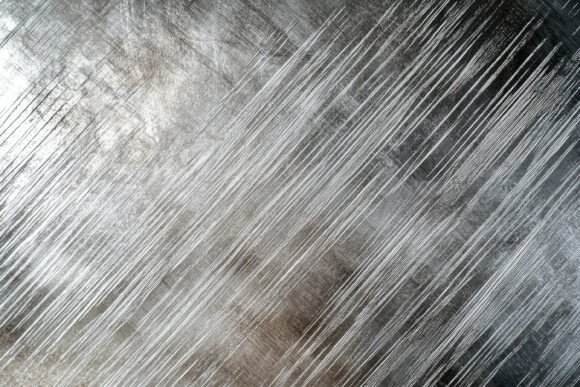
Brushed Metal Texture Background Wallpaper: Elevating Digital and Print Projects
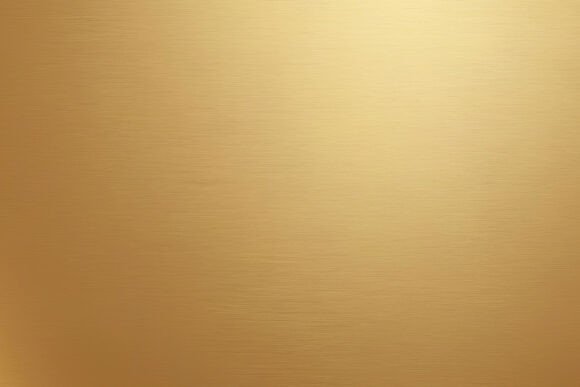
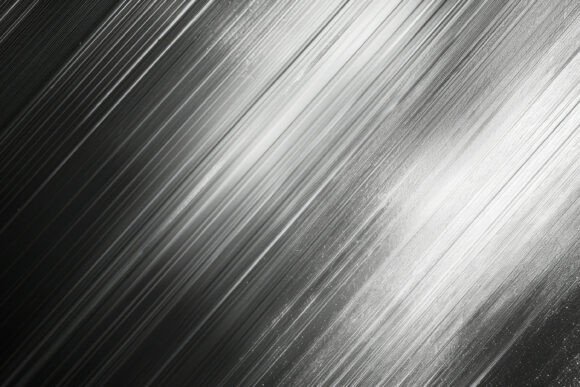
In the world of visual design, texture is often the invisible element that separates amateur work from professional polish. A flat color can feel sterile or unfinished, but a Brushed Metal Texture Background Wallpaper introduces depth, sophistication, and an industrial edge that instantly grounds a composition. This specific digital asset, delivered as a high-quality JPG file at 5824 x 3264 pixels, serves as more than just a backdrop; it is a foundational design element for creators who need their work to look tangible and premium without the cost of physical materials.
Understanding what this texture actually represents is crucial for using it effectively. Unlike a shiny chrome reflection or a rusted patina, brushed metal features fine, parallel lines created by abrasive finishing processes. It suggests durability, modernity, and precision engineering. When you download a print-ready file of this caliber, you are acquiring a versatile surface that mimics stainless steel, aluminum, or nickel. The linear grain directs the eye subtly across the canvas, providing movement without competing with foreground elements like text, logos, or product photography.
Professional Branding and Corporate Identity
For entrepreneurs and small business owners, establishing trust through visual identity is paramount. Industries such as architecture, automotive detailing, tech hardware, and luxury goods rely heavily on metallic aesthetics to communicate reliability and innovation. Using a Brushed Metal Texture Background Wallpaper in brand collateral creates an immediate association with quality manufacturing.
Consider a business card for a cybersecurity firm. A matte white card might get lost in a stack, but one featuring a subtle brushed steel background implies security and robustness. Similarly, corporate annual reports or investor pitch decks often struggle to balance data density with visual interest. Applying this texture to slide masters or report covers breaks up the monotony of white space while maintaining a serious, professional tone. The high resolution ensures that even when scaled down for digital viewing or blown up for trade show banners, the grain remains crisp rather than pixelated.
Digital Content Creation and Web Design
Bloggers, marketers, and social media managers face the constant challenge of stopping the scroll. In digital spaces, where screens emit light, dark or mid-tone metallic textures provide excellent contrast for white typography. This makes them ideal for YouTube thumbnails, podcast cover art, and hero sections on websites.
A tech reviewer creating content about the latest smartphone or laptop can use this wallpaper to reinforce the subject matter visually. Instead of placing a device against a generic gradient, positioning it over a matching brushed metal surface creates a cohesive narrative. For educators creating e-learning modules or presentation slides, this texture reduces eye strain compared to stark white backgrounds while adding enough visual complexity to keep learners engaged. The 5824 x 3264 px dimensions are particularly valuable here, as they exceed standard 4K display requirements, allowing designers to crop into specific areas for varied layouts without losing fidelity.
Print Production and Packaging Design
The "print-ready" specification of this JPG file is perhaps its most significant feature for publishers and packaging designers. Screen resolution (72 PPI) differs vastly from print resolution (300 PPI). At 5824 x 3264 pixels, this file provides approximately 19 megapixels of data. This translates to roughly 19.4 inches by 10.8 inches at full 300 DPI quality, making it suitable for magazine spreads, poster designs, and product packaging.
Imagine designing a label for a premium craft beer or a bottle of men's grooming products. The tactile suggestion of metal on a paper label elevates the perceived value of the product before the consumer even touches it. Freelance graphic designers working on event signage or restaurant menus also benefit significantly. A menu printed on standard paper looks ordinary; the same menu designed with a brushed metal background simulates the experience of an engraved plaque, suggesting hygiene and permanence. Because the file is a standard JPG, it integrates seamlessly into Adobe InDesign, Illustrator, or Canva without requiring specialized plugins or massive RAW processing times.
Personal Projects and Creative Exploration
Beyond commercial applications, hobbyists and digital artists utilize these textures for personal expression. Scrapbookers digitizing family archives might use brushed metal frames to give photos a timeless, archival quality. Gamers customizing stream overlays or Discord server banners appreciate the neutral yet stylized aesthetic that doesn't distract from avatars or chat boxes.
For 3D artists and concept designers, this wallpaper serves as an excellent reference map or base layer. When creating realistic renders, having a high-resolution source image helps in generating accurate bump maps and normal maps. Even for everyday users creating personalized gifts—like a custom calendar for a garage workshop or a motivational poster for a home office—the texture adds a layer of customization that solid colors simply cannot achieve.
Practical Considerations Before Use
While a Brushed Metal Texture Background Wallpaper is incredibly versatile, successful implementation requires thoughtful application. Users should consider several factors before integrating this asset into their workflow to ensure the best possible outcome.
- Contrast and Legibility: Metallic textures have inherent highlights and shadows. Always test your text overlay against multiple areas of the image. If the grain is too busy behind small body copy, apply a semi-transparent solid color layer between the texture and the text to improve readability.
- Color Grading: While the JPG is high quality, it may require slight color correction to match your specific brand palette. A brushed metal texture can lean cool (blueish) or warm (gold/bronze). Use adjustment layers to shift the hue or saturation so it harmonizes with your other design elements rather than clashing.
- File Management: At this resolution, the file size will be substantial. For web use, always create a separate, optimized copy. Never upload the full 5824 x 3264 px master file directly to a website, as this will destroy load times and hurt SEO. Reserve the master file for print and large-format displays.
- Tiling and Seamlessness: Check if the edges align perfectly if you plan to tile the texture across a larger surface area. If the texture is not seamless, use blending modes or gradient masks to fade edges when covering expansive backgrounds like billboards or vehicle wraps.
- Licensing Verification: Always confirm the usage rights associated with the download. Ensure the license covers your intended use case, especially for commercial merchandise or client work, to avoid future legal complications.
Maximizing Value Across Different Platforms
The true value of this asset lies in its adaptability. A freelancer might use the same Brushed Metal Texture Background Wallpaper for a client’s LinkedIn banner, a Facebook ad creative, and the packaging mockup for a new product line. This consistency builds brand recognition across touchpoints. For educators, the same file could serve as the title slide background for a semester-long course, the header for student handouts, and the backdrop for video lectures, creating a unified learning environment.
When selecting this type of background, prioritize assets that offer genuine utility over novelty. The specific dimensions of 5824 x 3264 px indicate a landscape orientation optimized for modern widescreen displays and standard print ratios. This foresight in the file's creation saves designers from having to stretch, distort, or artificially extend the texture, which often results in visible artifacts and loss of realism.
Ultimately, incorporating a high-quality brushed metal texture is about respecting the viewer's perception. Whether you are selling a service, teaching a concept, or expressing creativity, the background sets the stage. It tells the audience that attention has been paid to detail. By choosing a print-ready, high-resolution JPG, you equip yourself with a reliable tool that bridges the gap between digital convenience and physical authenticity, ensuring your projects look as good on a smartphone screen as they do on a printed page.