Futuristic Brushed Metal Texture: Integrating Industrial Aesthetics into Modern Design Workflows
In the landscape of contemporary digital and print design, texture serves as more than mere decoration; it is a functional element that establishes hierarchy, conveys materiality, and grounds abstract concepts in tangible reality. The Futuristic Brushed Metal Texture aesthetic occupies a specific niche within this framework, bridging the gap between raw industrial utility and sleek, high-tech sophistication. For designers, marketers, and content creators, understanding how to effectively deploy these surfaces is essential for creating visuals that feel both engineered and premium. This goes beyond simply applying a filter or overlaying an image; it requires a strategic approach to asset selection, technical integration, and contextual application.
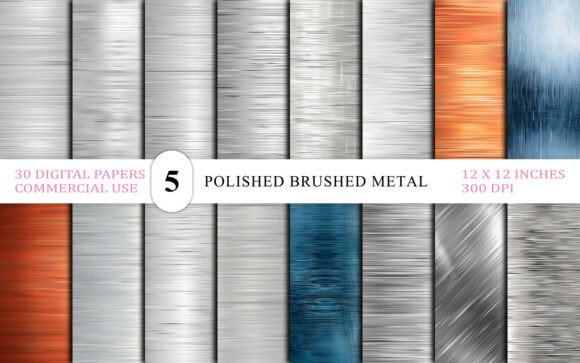
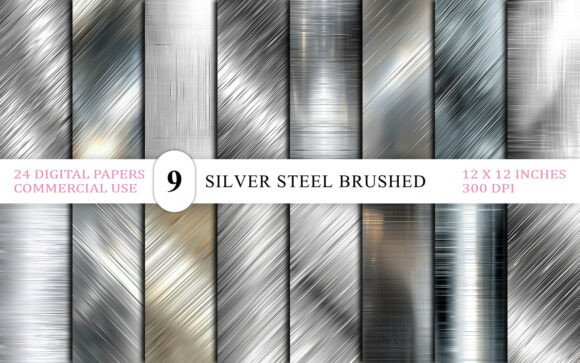
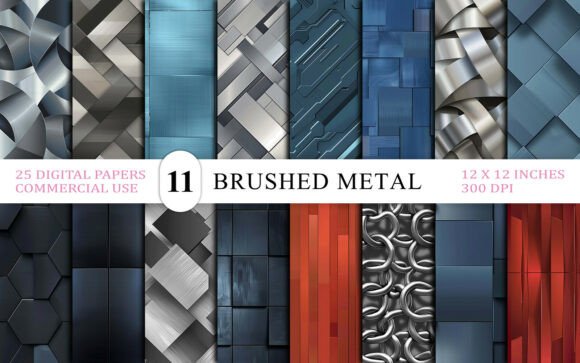
When utilizing a comprehensive resource like the 25 Futuristic Brushed Metal Texture Backgrounds Bundle, the workflow begins with recognizing the distinct visual language these assets provide. Unlike standard grunge or paper textures, brushed metal implies precision, manufacturing, and durability. The collection’s specific focus on geometric patterns, interlocking chains, grid layouts, and abstract metallic forms allows for versatile application across genres ranging from cybersecurity branding to automotive marketing. By integrating these high-resolution JPG backgrounds early in the conceptual phase, professionals can establish a cohesive visual identity that supports the narrative of innovation and structural integrity.
Strategic Asset Selection and Pre-Production Planning
Effective design workflows prioritize preparation over execution. Before opening your primary editing software, it is crucial to audit the available assets against project requirements. This bundle offers a spectrum of tonal values and surface characteristics that must be matched to the intended output. For instance, a project focused on data analytics or server infrastructure may benefit from the cool, clinical tones of steel, chrome, and cobalt. These colors suggest efficiency, cleanliness, and technological advancement. Conversely, projects involving heavy machinery, construction, or heritage manufacturing might require the warmer, more aggressive presence of red oxide and graphite.
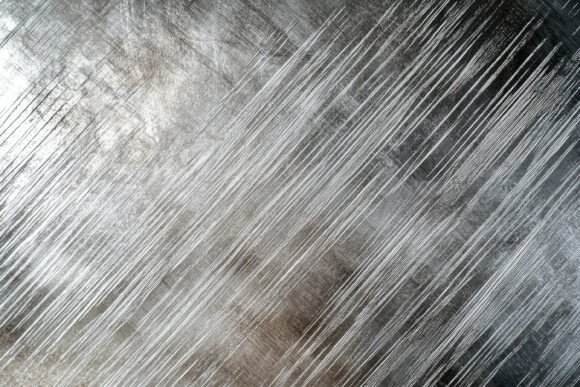
The inclusion of structured tech surfaces and modern grid layouts within this pack provides a built-in alignment system. During the planning stage, identify which textures possess inherent directionality. Brushed metal is defined by its grain; using a texture with horizontal brushing on a wide-format banner reinforces stability, while vertical brushing on a mobile interface can guide the user’s eye downward through content. Recognizing these directional cues during pre-production prevents costly revisions later. Furthermore, assessing the contrast levels of the selected aluminum surface texture or polished steel look ensures that typography and UI elements will remain legible without requiring excessive post-processing adjustments.
Technical Integration and Resolution Management
A critical factor in maintaining professional quality is respecting technical specifications. Each file in this collection is sized at 3600x3600 pixels (12x12 inches) at 300 DPI. This specification is significant because it represents a true print-ready standard that also scales exceptionally well for digital displays. When working in a hybrid workflow where assets are used for both web headers and physical brochures, starting with 300 DPI source material eliminates the risk of pixelation or artifacting upon export.
During the implementation phase, consider how these futuristic tile textures interact with layer modes and blending options. Because brushed metal relies on specular highlights and shadow depth to create the illusion of three-dimensionality, improper blending can flatten the image. In software like Photoshop or Affinity Photo, experiment with Overlay, Soft Light, or Linear Burn modes to integrate the mechanical texture pack with solid color blocks or gradient maps. This preserves the micro-details of the shiny industrial JPG files while allowing brand colors to permeate the surface. For video editors and motion designers, these static high-quality files serve as excellent base plates for parallax effects or camera mapping, where the high resolution ensures clarity even when the virtual camera moves close to the surface.
Application Across Digital and Print Mediums
The versatility of this bundle lies in its adaptability to different production environments. In digital product design, particularly for SaaS platforms, fintech apps, or gaming interfaces, these textures function as sophisticated background elements that reduce eye strain compared to pure white or black screens. A dark industrial grid or robotic overlay adds perceived value and complexity to a user interface without competing with functional elements. The key here is subtlety; reducing the opacity of the textured background to 10-20% often yields the best results, providing tactile context while maintaining WCAG accessibility standards for text contrast.
For print applications, the physical properties of the substrate matter. When printing on coated stock, the glossy metal pattern and chrome chain texture elements will reflect light similarly to the screen preview, enhancing the futuristic aesthetic. However, on uncoated or matte papers, the ink absorption may dull the metallic sheen. In these cases, selecting textures with higher intrinsic contrast, such as the heavy metal texture or sci-fi chain pattern variants, helps compensate for dot gain. Designers should also utilize spot UV or foil stamping in conjunction with these digital backgrounds to physically replicate the brushed effect, creating a multi-sensory experience that aligns the digital file with the physical output.
Enhancing Visual Hierarchy and Brand Consistency
Texture is a powerful tool for organizing information. Within a layout, varying the intensity of the metal graphic elements can delineate sections. A highly detailed, polished steel look might be reserved for hero sections or call-to-action areas to draw attention, while a smoother, less reflective aluminum surface texture could define body content zones. This creates a rhythm and flow that guides the viewer through the composition naturally. The interlocking chains and grid layouts included in the bundle are particularly useful for framing content or creating modular design systems that can be reused across multiple campaigns.
Consistency is paramount for brand recognition. By establishing a curated subset of these 25 unique backgrounds as part of a brand kit, teams ensure that all collateral maintains a unified industrial artwork texture style. This reduces decision fatigue during production and accelerates turnaround times. Whether creating social media graphics, presentation decks, or packaging, having a pre-approved library of futuristic brushed metal assets streamlines the creative process. It allows freelancers and agencies to deliver premium-quality work efficiently, as the foundational aesthetic is already resolved and technically validated.
Workflow Efficiency and File Organization
Managing a library of high-resolution assets requires disciplined organization to maintain workflow velocity. Since this pack includes instant download JPG files, immediate cataloging is recommended. Rename files descriptively based on their dominant characteristics—such as "Blue_Steel_Grid_High_Contrast" or "Red_Oxide_Brushed_Vertical"—rather than relying on generic filenames. This semantic tagging allows for rapid retrieval when searching through asset management software or operating system search functions.
Additionally, consider creating smart objects or symbols linked to these source files. If a client requests a global change to the background texture across fifty artboards, updating a single linked smart object propagates the change instantly. This non-destructive workflow leverages the high quality of the original 3600x3600 px files while keeping working documents manageable. For teams collaborating via cloud platforms, storing these assets in a shared library ensures that everyone accesses the same premium quality commercial use ready files, preventing version control issues and maintaining consistency across distributed workflows.
Long-Term Value and Creative Adaptation
Investing in premium texture bundles is not just about solving an immediate design problem; it is about building a reusable resource library. The futuristic brushed metal aesthetic has longevity because it is rooted in real-world materials rather than fleeting stylistic trends. As design trends shift towards neo-brutalism, Y2K revival, or clean corporate minimalism, these metallic foundations remain relevant. They can be color-graded, distressed, or smoothed to fit evolving styles without losing their core structural integrity.
Furthermore, these assets serve as excellent training tools for mastering lighting and compositing. Practicing with structured tech surfaces helps designers understand how light interacts with anisotropic reflections, a skill that transfers to 3D rendering and CGI work. By thoroughly exploring the nuances of this machinery panel texture collection, creatives develop a deeper intuition for material simulation. Ultimately, the goal is to move beyond treating texture as an afterthought and instead integrate it as a fundamental component of the design strategy. When executed correctly, the result is work that feels substantial, intentional, and professionally crafted, elevating the perceived value of any project it touches.