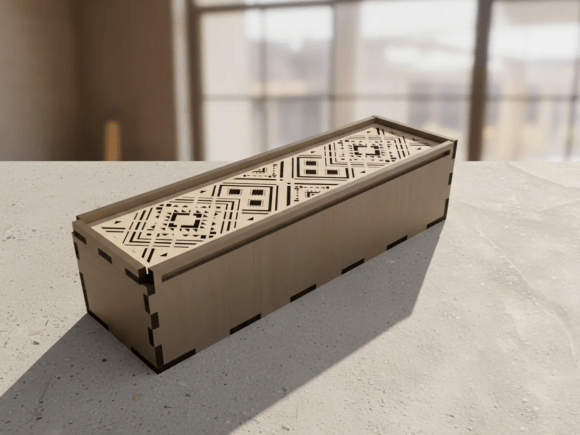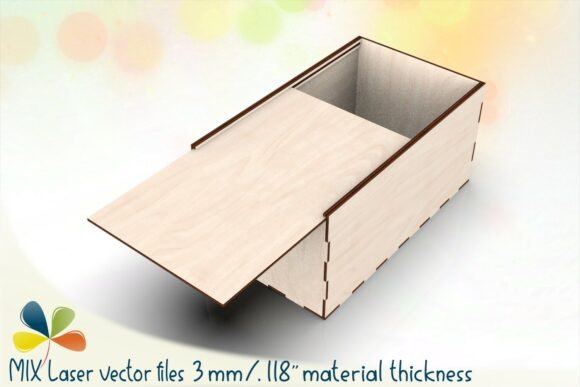
Long Sliding Lid Box – Laser Cut File: Strategic Packaging and Organization
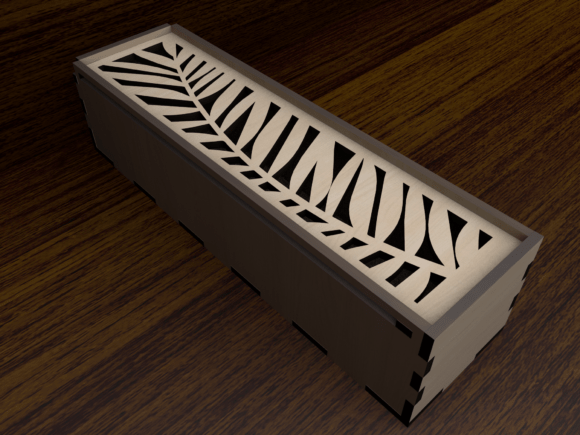
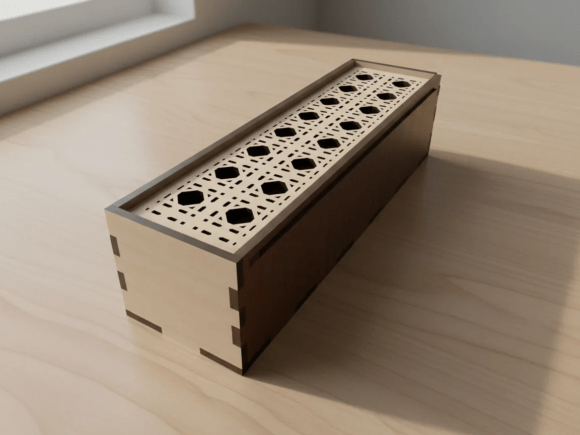
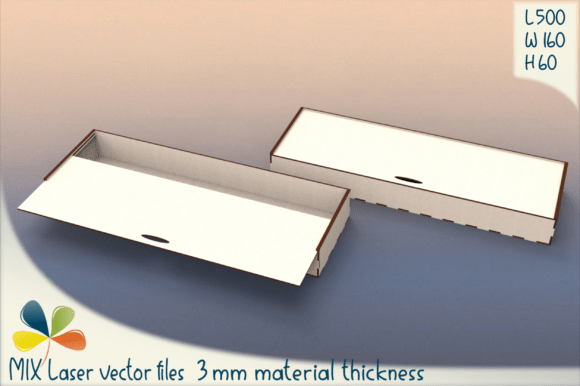
The Long Sliding Lid Box – Laser Cut File represents more than a simple storage solution; it is a strategic asset for professionals, makers, and small business owners seeking to elevate their physical presentation. This digital template provides the precise vector data necessary to fabricate a classic elongated box with a smooth-sliding lid, designed specifically for 3 mm material thickness. With finished dimensions of approximately 15.9 × 26.7 × 12.7 cm (6.25 × 10.5 × 5 inches), this design occupies a functional sweet spot between compact accessory storage and substantial product packaging. For entrepreneurs and creators, utilizing this specific laser cut file transforms generic containment into a deliberate branding and organizational opportunity.
In an era where unboxing experiences and workspace aesthetics directly influence perceived value, the decision to fabricate custom enclosures requires careful planning. The minimal, clean look of this sliding lid mechanism avoids the visual clutter of hinges or latches, offering a sleek profile suitable for high-end gift sets, artisanal tools, or curated stationery collections. By leveraging the precision of SVG and PDF formats, users can achieve a snug fit that feels engineered rather than assembled. However, the true value lies not just in the file itself, but in how strategically you integrate this modular project into your broader operational or creative goals.
Aligning Physical Design with Business and Creative Goals
Before initiating the laser cutting process, it is essential to define the strategic purpose of the Long Sliding Lid Box. Random fabrication leads to wasted material and missed opportunities. Whether you are a freelancer organizing client deliverables or a product-based business enhancing retail packaging, the box must serve a specific function within your ecosystem.
For brand positioning, this elongated form factor communicates sophistication. Unlike standard hinged boxes, the sliding mechanism implies a level of craftsmanship and attention to detail. If your goal is to differentiate a premium product line, this design supports that narrative through tactile interaction. The smooth slide creates a moment of pause and appreciation for the user, reinforcing brand values of quality and mindfulness.
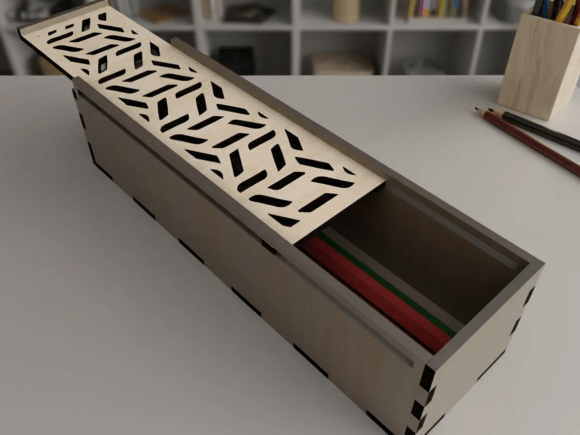
For operational efficiency, consider the internal volume relative to your inventory or tools. The 15.9 × 26.7 × 12.7 cm footprint is ideal for long, slender items such as brush sets, fountain pens, knitting needles, or specialized tech accessories. Using this specific laser cut file ensures consistency across multiple units, which is critical for inventory management and shelf planning. Standardizing your storage or packaging dimensions reduces cognitive load and streamlines logistics, whether you are shipping to customers or organizing a studio.
Evaluating Material Compatibility and Structural Integrity
The technical specifications of the Long Sliding Lid Box – Laser Cut File are non-negotiable parameters for success. This design is engineered explicitly for 3 mm (.118 inch) material. Deviating from this thickness will compromise the structural integrity and the friction fit of the sliding lid. Before committing to production, verify your material calipers with digital measurement tools. Plywood, MDF, and acrylic all behave differently at this thickness; basswood plywood often offers the best balance of lightweight durability and smooth sliding action due to its consistent grain and density.
Consider the end-use environment when selecting materials. If the box is intended for archival storage of sensitive documents or art supplies, acid-free plywood or museum-grade MDF is necessary to prevent degradation over time. For retail packaging where weight impacts shipping costs, the lightweight nature of this 3 mm design is a logistical advantage. However, if the contents are heavy metal tools, you may need to reinforce the base or select a denser hardwood ply to prevent bowing. Strategic material selection prevents functional failure and ensures the final product aligns with user expectations.
Practical Applications Across Professional Contexts
The versatility of the Long Sliding Lid Box allows it to bridge multiple domains. Understanding these distinct use cases helps in deciding whether this specific file meets your current needs or if adaptation is required.
- Artisan Retail & Gifting: Use the box as primary packaging for elongated products. The sliding lid eliminates the need for additional outer boxes or excessive filler, supporting sustainable packaging initiatives. Custom engraving on the lid surface can replace paper labels, reducing waste and increasing perceived value.
- Professional Tool Organization: For makeup artists, calligraphers, or technicians, this box serves as a dedicated module within a larger kit system. The snug fit prevents tools from shifting during transport, protecting delicate tips and nibs. The elongated shape fits efficiently into drawers or travel bags compared to square alternatives.
- Corporate & Educational Kits: Educators and corporate trainers can utilize these boxes for workshop materials. The uniform size allows for easy stacking and distribution. The neutral, minimal aesthetic ensures the packaging remains appropriate across diverse demographics and professional settings without appearing overly casual or excessively ornate.
- Modular Storage Systems: Freelancers and home-office workers can use multiple units to create a scalable desk organization system. Because the dimensions are fixed by the laser cut file, boxes can be stacked or arranged in grids, turning ad-hoc storage into a cohesive interior design element that promotes focus and reduces visual noise.
Production Planning and Risk Mitigation
Relying on a digital file without a prototyping phase is a common strategic error. Even perfectly designed vector files can yield poor results if machine calibration or material variance is ignored. Adopt a phased approach to using the Long Sliding Lid Box – Laser Cut File to mitigate risk.
- Test Cut Validation: Always cut a single test unit using scrap material of the exact same thickness as your final stock. Assemble it immediately to check the tolerance of the sliding mechanism. A fit that is too tight will jam; too loose will feel cheap. Adjust kerf compensation settings in your laser software based on this physical test, not theoretical calculations.
- Grain Direction Analysis: For wood-based materials, grain direction affects both strength and friction. Cutting the lid and base with opposing grain orientations can sometimes improve slide smoothness, while parallel grain may increase binding. Document your findings during testing to establish a repeatable production standard.
- Finishing Workflow Integration: Plan your sanding, sealing, or painting process before assembly. The sliding lid mechanism requires precise clearance; applying thick finishes after assembly can permanently fuse the box shut. Pre-finishing components or masking joinery areas during finishing preserves functionality. Factor this extra step into your time and cost estimates.
- Scalability Assessment: If producing batches, calculate cycle time including cutting, weeding, sanding, and assembly. The "easy assembly" claim assumes prepared components. Unforeseen bottlenecks in post-processing can erode margins. Validate your unit economics with a small pilot run before scaling to full production.
Making Intentional Decisions About Digital Fabrication Assets
Acquiring a laser cut file like the Long Sliding Lid Box is an investment in capability, but only if applied intentionally. Avoid the trap of collecting files without clear implementation plans. Each digital asset should map to a specific outcome: improved customer experience, enhanced workflow efficiency, or expanded product offerings.
When evaluating this file against alternatives, consider the long-term utility of the form factor. Is this a one-off project, or does it establish a reusable standard? The modular, scalable nature of this design suggests it is best suited for systems thinkers who value repeatability. If your needs are highly irregular or require frequent dimension changes, a parametric design tool might be more appropriate than a fixed-size file. However, for established product lines or standardized storage needs, the fixed precision of this SVG/PDF package offers reliability that parametric adjustments cannot always guarantee.
Furthermore, consider the communication aspect of the object. In professional settings, the objects we use and give signal our priorities. A well-executed sliding lid box demonstrates respect for the recipient’s experience and pride in one’s own tools. It moves beyond mere utility into the realm of thoughtful design. Conversely, a poorly executed version—burnt edges, stuck lids, misaligned joints—signals carelessness. The file provides the geometry, but your execution determines the message. Commit to the quality standards that align with your professional reputation.
Optimizing for User Experience and Longevity
The ultimate measure of success for the Long Sliding Lid Box is sustained usability. Design decisions made during fabrication have lasting consequences. Consider adding subtle finger pulls or recessed grips to the lid if the fit is particularly snug; this enhances accessibility without compromising the minimal aesthetic. Think about wear patterns: the sliding surfaces will experience friction over thousands of cycles. Applying a dry lubricant like wax or PTFE spray during assembly can extend the functional lifespan significantly and maintain the premium feel.
For those using this box for retail, gather feedback from early users regarding the unboxing and daily use experience. Does the lid stay closed during transport? Is the opening force appropriate for the target demographic? Iterative refinement based on real-world data transforms a static laser cut file into a dynamic component of your business strategy. The initial file is merely the starting point; your strategic application and continuous improvement determine its true value.
By approaching the Long Sliding Lid Box – Laser Cut File with strategic intent, technical diligence, and user-centric thinking, you convert a simple digital template into a powerful tool for organization, branding, and professional expression. The intersection of precise digital fabrication and thoughtful physical design offers tangible advantages for those willing to plan beyond the cut line. Whether streamlining studio operations or elevating product presentation, success comes from treating this asset not as a craft project, but as a deliberate element of your larger professional infrastructure.