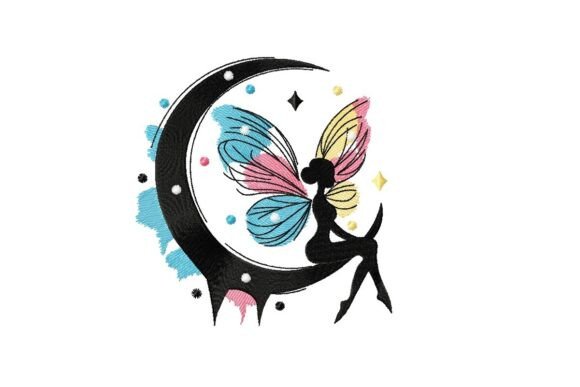
Magic Butterfly Fairy: A Guide to Versatile Machine Embroidery
In the expansive world of machine embroidery, finding a design that balances whimsical charm with professional versatility can be a challenge. The Magic Butterfly Fairy stands out as a unique intersection of fantasy art and practical application. This specific Magic fairy embroidery design- Butterfly embroidery design is not merely a decorative motif; it is a comprehensive digital asset tailored for creators who demand flexibility across various substrates. Whether you are a hobbyist looking to personalize a gift or a business owner seeking a reliable design for merchandise, understanding the nuances of this file is essential for achieving high-quality results.
The appeal of the Magic Butterfly Fairy lies in its intricate detailing and adaptable nature. Unlike simpler stock designs that may look flat or pixelated when resized, this embroidery pattern is digitized to maintain structural integrity across different scales. It captures the ethereal quality of fairy wings and the organic symmetry of butterfly anatomy, making it an ideal candidate for projects ranging from delicate apparel to sturdy accessories. However, successful execution requires more than just loading a file into a machine; it demands an understanding of fabric interaction, stabilizer selection, and format compatibility.
Understanding the Design Architecture and File Compatibility
Before threading a needle, it is crucial to understand what makes this digital file functional across different hardware ecosystems. The Magic Butterfly Fairy is distributed in multiple embroidery file formats, ensuring broad compatibility with major machine brands including Brother, Janome, Bernina, Singer, and Husqvarna Viking. Common formats typically include PES, DST, EXP, JEF, and VIP, among others. This multi-format availability eliminates the need for third-party conversion software, which can sometimes degrade stitch quality or alter color mapping.
For professionals and serious enthusiasts, the value extends beyond simple compatibility. The digitizing process for this Magic fairy embroidery design- Butterfly embroidery design accounts for stitch density and pull compensation. These technical factors determine how the design sits on the fabric. A well-digitized fairy wing should have enough density to cover the material without causing puckering, while the butterfly elements require precise satin stitches to define edges cleanly. When evaluating this design for your library, verify that the file includes a color chart and thread sequence guide. This documentation is vital for reproducing the intended magical aesthetic, especially when using variegated or metallic threads to enhance the fairy’s wings.
Evaluating Suitability for Different Substrates
One of the primary strengths of the Magic Butterfly Fairy is its adaptability to diverse materials. However, "versatile" does not mean "universal." Success depends on matching the design’s characteristics to the physical properties of your chosen item. Below is a breakdown of optimal applications and necessary considerations:
- Clothes and T-Shirts: Knit fabrics like cotton jersey are popular for this design due to their comfort and drape. Because knits stretch, using a cut-away stabilizer is non-negotiable to prevent the fairy from distorting after washing. The design adds a focal point to chest placements or sleeve cuffs without adding excessive weight.
- Pocket Mirrors and Keychains: These items often involve thicker base materials or specialized blanks. The Magic Butterfly Fairy works exceptionally well here because the dense stitch count provides a textured, premium feel. For keychains, ensure the hoop tension is tight to avoid registration issues on small fields.
- Hair Brushes and Beauty Cases: Personal care items benefit from the feminine and enchanting theme of the design. When embroidering on plastic or vinyl beauty cases, use an adhesive spray with a tear-away stabilizer to secure the item without leaving residue. The intricate details of the butterfly wings remain visible even on curved surfaces if hooped correctly.
- Blankets and Home Textiles: Fleece and minky fabrics present a challenge due to their pile. To keep the Magic Butterfly Fairy crisp, apply a water-soluble topping before stitching. This prevents the stitches from sinking into the plush fibers, ensuring the fairy appears to float above the blanket surface rather than getting lost within it.
Practical Applications for Creators and Business Owners
Beyond personal projects, the Magic Butterfly Fairy serves as a strategic asset for small businesses and custom apparel vendors. In the competitive market of personalized goods, having a signature design that resonates with specific demographics can drive sales. This design appeals strongly to niche markets such as cottagecore enthusiasts, fantasy readers, and parents shopping for children’s boutique clothing.
For business owners, consistency is key. Because this machine embroidery design comes with standardized formatting, you can produce a matching set of products—a t-shirt, a hair brush, and a tote bag—with identical colorways and stitch quality. This cohesion elevates brand perception. Furthermore, the design’s complexity allows for tiered pricing; a fully stitched Magic Butterfly Fairy commands a higher price point than a simple monogram due to the perceived value of the artwork and the time invested in production.
Navigating Technical Limitations and Best Practices
While the Magic Butterfly Fairy is robust, users must manage expectations regarding resizing and fabric limitations. A common misconception is that digital embroidery files can be scaled infinitely like vector graphics. In reality, significant resizing affects stitch density. Enlarging the design by more than 20% may result in gaps between stitches, while reducing it excessively can cause thread breaks and needle damage due to overlapping stitch points.
If your project requires a size outside the standard range provided, utilize professional editing software to recalculate density rather than relying on automatic machine resizing. Additionally, consider the thread type. While standard rayon or polyester threads work beautifully, experimenting with metallic threads for the butterfly wings can enhance the "magic" aspect. However, metallics require slower machine speeds and larger needles to prevent shredding. Always run a test stitch-out on scrap fabric identical to your final project. This step reveals potential tension issues or stabilizer inadequacies before risking a finished product.
- Stabilizer Selection: Match the stabilizer weight to the fabric weight. Lightweight voile needs lightweight tear-away; heavy denim needs medium-weight cut-away.
- Needle Choice: Use a sharp needle for woven fabrics and a ballpoint needle for knits to prevent fiber damage around the intricate fairy details.
- Thread Tension: Check bobbin tension specifically for this design. The varying stitch lengths in the butterfly wings can expose bobbin thread if tension is too loose.
- Hooping Technique: Ensure the fabric is drum-tight in the hoop. Slippage during the stitching of detailed areas like fairy faces will ruin the alignment.
Making the Right Choice for Your Embroidery Library
Deciding whether to add the Magic Butterfly Fairy to your collection involves assessing both your current capabilities and your creative goals. For beginners, this design offers an excellent learning opportunity for managing complex color changes and stabilizer pairings. For seasoned professionals, it provides a reliable, high-demand motif that reduces design sourcing time. The inclusion of multiple file formats future-proofs your investment, allowing you to upgrade machines without losing access to your favorite assets.
Ultimately, the true value of this Magic fairy embroidery design- Butterfly embroidery design is realized through experimentation. It invites users to move beyond standard placements and explore creative applications. Imagine the fairy emerging from a shirt pocket, perched on the corner of a quilt block, or adorning the back of a denim jacket. Each application tells a different story. By understanding the technical foundations and respecting the material constraints, you transform a digital file into a tangible piece of art. The Magic Butterfly Fairy is more than a pattern; it is a catalyst for creativity, bridging the gap between digital precision and handmade warmth. Whether used for profit or pleasure, it remains a staple design that continues to inspire makers to bring a touch of enchantment to everyday objects.
When sourcing this design, always prioritize reputable digitizers who provide support and clear usage guidelines. Quality digitizing ensures that the magic isn't lost in translation from screen to fabric. With the right preparation and respect for the craft, the Magic Butterfly Fairy will undoubtedly become a cornerstone of your embroidery repertoire, delivering consistent beauty across clothes, accessories, and home decor for years to come.